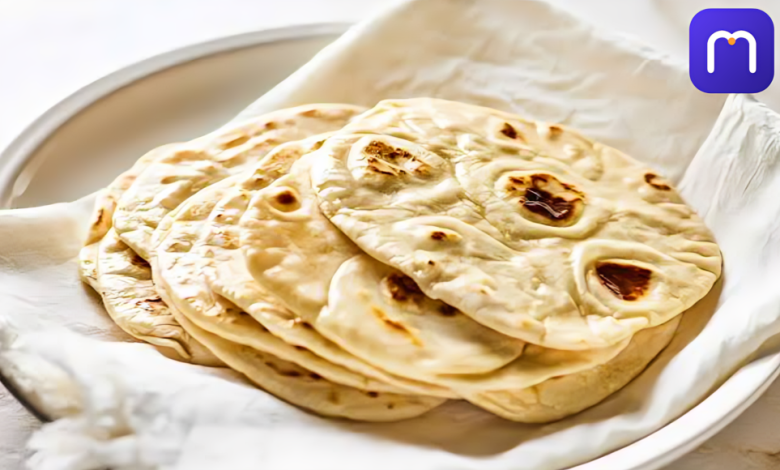
The first time I made flour tortillas from scratch, I did everything “right” and still ended up with something closer to a stiff cracker than a tortilla. It turns out that learning how to make flour tortillas isn’t really about the ingredient list. It’s about a handful of small technique choices, like how much you knead, how long you let the dough rest, and how hot your pan actually is, that separate a soft, pliable tortilla from a dry one. This guide walks through the full process, explains the “why” behind each step, and covers the troubleshooting questions that most recipes leave unanswered.
To make flour tortillas, combine flour, salt, baking powder, and a fat (butter, lard, shortening, or oil) with warm water into a soft dough. Knead briefly, divide into balls, let the dough rest for at least 15 to 30 minutes, roll each ball thin, and cook on a dry, hot skillet for about 30 to 60 seconds per side until golden spots and bubbles appear. Keep the cooked tortillas covered with a towel so the steam keeps them soft.
What You Need to Make Flour Tortillas
A traditional flour tortilla recipe only needs five ingredients, and most of them are already in your pantry.
- All-purpose flour – the base of the dough and the source of the gluten that gives tortillas their stretch
- Fat – lard, vegetable shortening, butter, or a neutral oil like avocado or vegetable oil
- Warm or hot water – helps the fat coat the flour evenly and speeds up dough hydration
- Salt – for flavor, ideally dissolved into the water first so it distributes evenly
- Baking powder – optional in the most traditional versions, but it adds a touch of lift and tenderness
Traditional Mexican flour tortillas, especially those made in northern Mexico, are often built around a rough ratio of about four parts flour to one part fat by weight. That ratio isn’t a strict rule, but it’s a useful starting point if you want a dough that’s rich enough to stay tender without becoming greasy.
Fat choice matters more than most recipes let on. Lard gives the most traditional, slightly savory flavor and produces a noticeably flakier texture. Butter adds richness and a faint dairy sweetness. Neutral oils like avocado or vegetable oil are the easiest to keep on hand and produce a cleaner-tasting tortilla, while coconut or peanut oil will bring their own distinct flavor into the mix. None of these choices is objectively “correct.” It comes down to what flavor profile you’re after and what you already have in the kitchen.
Step-by-Step: How to Make Flour Tortillas
- Mix the dry ingredients. In a large bowl, whisk together the flour, salt, and baking powder (if using).
- Cut in the fat. Add your fat of choice and work it into the flour with your fingers or a fork until the mixture looks like coarse crumbs.
- Add warm water gradually. Pour in the water a little at a time, stirring until a shaggy dough forms. Add more water in small amounts if the dough feels dry, or a little more flour if it’s sticky.
- Knead briefly. Turn the dough onto a lightly floured surface and knead for about two to five minutes, just until it’s smooth and elastic. Overworking it here is one of the most common causes of tough tortillas.
- Divide and rest. Split the dough into 8 to 16 equal pieces depending on the size you want, shape each into a ball, and let them rest, covered, for 15 to 30 minutes. This step relaxes the gluten and makes rolling much easier.
- Roll each ball thin. On a lightly floured surface, roll each ball into a thin circle, roughly 6 to 8 inches across. The thinner you roll it, the more it will puff and bubble on the skillet.
- Cook on a dry, hot skillet. Heat a cast iron or heavy skillet over medium to medium-high heat with no oil. Cook each tortilla for about 30 to 60 seconds per side, until golden spots and bubbles appear.
- Keep them warm. Stack the cooked tortillas under a clean kitchen towel or inside a tortilla warmer. The trapped steam keeps them soft as they cool.
Why Resting and Kneading Actually Matter
Most recipes tell you to rest the dough without explaining why, so here’s the short version. Flour contains proteins that form gluten once they’re hydrated and worked. Gluten is what gives bread its chew and tortillas their stretch, but it’s also elastic, which means freshly kneaded dough tends to spring back and shrink when you try to roll it out.
Resting the dough gives that gluten network time to relax. Skip the rest, and you’ll spend twice as long fighting the dough back into a circle every time it shrinks. On the flip side, kneading too much or too aggressively overdevelops the gluten and can leave you with a dense, tough tortilla once it’s cooked. The goal is a light knead followed by a real rest, not the other way around.
Water temperature plays a supporting role too. Warm or hot water helps solid fats like lard, butter, or shortening melt slightly and coat the flour more evenly, which is part of what gives a well-made tortilla its tenderness.
Corn Tortillas vs. Flour Tortillas
If you’re not sure which type fits your recipe, this side-by-side comparison should help.
| Feature | Flour Tortillas | Corn Tortillas |
| Main ingredient | Wheat flour | Nixtamalized corn (masa harina) |
| Gluten content | Contains gluten | Naturally gluten-free |
| Texture | Soft, stretchy, pliable | Slightly firmer, more delicate |
| Best for | Burritos, wraps, quesadillas, large tacos | Street tacos, enchiladas, tostadas, chips |
| Shaping tool | Rolling pin (traditionally) | Tortilla press |
| Shelf life (fresh) | A few days refrigerated | A few days refrigerated, dries out faster |
Neither one is “better” across the board. Flour tortillas are more forgiving for beginners and hold up well for rolling and stuffing, while corn tortillas bring a more traditional, slightly earthy flavor that’s better suited to dishes like street tacos or enchiladas.
Tortilla Press or Rolling Pin? Here’s the Honest Answer
This is one of the more debated questions in home tortilla-making, and the honest answer is that it depends on your dough and your patience.
A traditional rolling pin gives you more control over thickness and shape, and it works with the elastic nature of wheat dough by gradually stretching the gluten rather than compressing it all at once. That’s the classic, most reliable method for flour tortillas specifically.
That said, a heavy-duty tortilla press with firm, even pressure can produce a flour tortilla, especially if the dough is well-rested and slightly warm. Lighter or older presses tend to struggle because wheat dough, unlike soft corn masa, resists sudden flattening and can spring back into a smaller, thicker shape. If you already own a sturdy press and don’t mind a bit of trial and error, it’s worth testing. If you’re starting from scratch, a rolling pin is the safer bet for consistent results.
Troubleshooting: Why Your Tortillas Aren’t Turning Out Right
| Problem | Likely Cause | Fix |
| Tortillas are hard or tough | Overworked dough, no rest time, or overcooked on the skillet | Knead gently, rest at least 15 to 30 minutes, and pull tortillas off the heat as soon as spots appear |
| Dough shrinks back when rolling | Gluten hasn’t relaxed yet | Let the dough rest longer before rolling, or rest again mid-roll if it keeps pulling back |
| Tortillas are too thick | Not rolled thin enough, or a press was used instead of a rolling pin | Roll thinner with a pin, applying even pressure from the center outward |
| Tortillas don’t bubble or puff | Skillet isn’t hot enough, or dough was rolled unevenly | Preheat the pan fully before cooking and roll to an even thickness throughout |
| Dough feels dry and cracks | Not enough water or fat in the mix | Add warm water a tablespoon at a time until the dough is soft but not sticky |
| Tortillas taste bland | Salt wasn’t dissolved or distributed evenly | Dissolve salt in the warm water before adding it to the flour |
| Tortillas turn hard after cooling | Not covered with a towel while still hot | Stack cooked tortillas under a towel or in a warmer to trap steam |
Storing and Freezing Flour Tortillas
Once cooled, homemade tortillas keep well in an airtight bag or container in the refrigerator for about 3 to 5 days. For longer storage, stack the tortillas with a small piece of parchment or wax paper between each one, then seal them in a freezer bag. They’ll hold their quality in the freezer for around 2 months.
To reheat, a hot dry skillet for about 20 to 30 seconds per side works best for texture, though a damp paper towel and 15 to 20 seconds in the microwave is a faster option when you’re in a hurry.
Variations Worth Trying
Once you’re comfortable with the base recipe, a few variations are worth experimenting with:
- Whole wheat flour tortillas: Substitute up to half the all-purpose flour with whole wheat flour for a nuttier flavor. You may need slightly more water, since whole wheat absorbs more liquid.
- Vegan flour tortillas: Swap butter or lard for a neutral oil like avocado or vegetable oil. The dough handles almost identically.
- Gluten-free flour tortillas: A gluten-free all-purpose blend with xanthan gum can work, but expect a more delicate, less stretchy dough that benefits from rolling between two sheets of parchment paper.
- High-altitude adjustments: At higher elevations, dough tends to dry out faster and can toughen more easily. Adding a bit more water, resting the dough slightly longer, and cooking over slightly lower heat can help compensate.
Scaling the Recipe for a Crowd
If you’re making tortillas for a large group or want extra for the freezer, the ratios scale linearly. Doubling the flour, fat, water, salt, and baking powder gives you roughly double the yield, though you’ll likely need a few extra minutes of kneading time simply because there’s more dough to work through. It’s easier to roll and cook in batches rather than trying to speed up any single step.
Read More: https://muzzelo.com/ginny-weasley/
FAQs
Why are my homemade flour tortillas hard or tough?
This usually comes down to overworking the dough, skipping the resting period, or leaving the tortillas on the skillet too long. Rest the dough for at least 15 to 30 minutes and pull the tortillas off the heat as soon as they develop golden spots.
What is the ratio of flour to fat for tortillas?
A commonly used starting ratio is about four parts flour to one part fat by weight, though many home recipes use a bit less fat and still turn out soft and pliable.
Can you use a tortilla press for flour tortillas?
Yes, but it’s trickier than with corn masa. A heavy-duty press with firm pressure can work on well-rested dough, though a rolling pin generally gives more consistent, thinner results for wheat-based dough.
What’s the difference between corn and flour tortillas?
Flour tortillas are made from wheat flour and contain gluten, giving them a soft, stretchy texture that’s ideal for wraps and burritos. Corn tortillas are made from nixtamalized corn, are naturally gluten-free, and have a firmer, more traditional texture suited to tacos and enchiladas.
How long should tortilla dough rest before rolling?
At least 15 to 30 minutes is typical. Longer resting, up to an hour or two, can make the dough even easier to roll, especially in a cooler kitchen.
What oil is best for homemade tortillas?
Neutral oils like avocado, vegetable, or canola oil work well and keep the flavor clean. Lard adds a traditional, savory note, while butter brings richness. Coconut or peanut oil will add a more noticeable flavor of their own.
How do you keep tortillas soft after cooking?
Stack them under a clean kitchen towel or inside a tortilla warmer as soon as they come off the skillet. The trapped steam keeps them pliable as they cool.
Can you freeze homemade flour tortillas?
Yes. Separate them with parchment paper, seal in a freezer bag, and they’ll keep for around 2 months. Reheat directly from frozen on a hot skillet or thaw first for a quicker reheat.
Final Thoughts
Learning how to make flour tortillas really comes down to respecting a few small details: a light hand while kneading, real resting time before rolling, and a hot enough pan that cooks the tortilla quickly instead of drying it out. Once those habits click, the recipe itself becomes almost second nature, and it’s genuinely hard to go back to the store-bought bag afterward. Give the recipe a try this week, and if your first batch doesn’t come out perfectly round or evenly bubbled, that’s completely normal. Even experienced home cooks say their first few tortillas rarely look like the ones in photos.

